


Tapping a
$4 trillion
opportunity
Presenting Pictet’s innovative
SmartCity Fund

MARCH 2019



Pictet-SmartCity is a compartment of the Luxembourg SICAV Pictet. The latest version of the fund’s prospectus, KIID (Key Investor Information Document), regulations, annual and semi-annual reports are available free of charge on assetmanagement.pictet or at the fund’s management company. Pictet Asset Management (Europe) S.A., 15, avenue J. F. Kennedy, L-1855 Luxembourg. Before making any investment decision, these documents must be read and potential investors are recommended to ascertain if this investment is suitable for them in light of their financial knowledge and experience, investment goals and financial situation, or to obtain specific advice from an industry professional. Any investment incurs risks, including the risk of capital loss. All risk factors are detailed in the prospectus.

Introduction

Welcome to another edition of SOURCE, a publication that shines the spotlight on particular funds and their managers. This time, Pictet Asset Management presents its SmartCity Fund, with an in-depth profile and Q&A with manager Ivo Weinöhrl plus supporting analysis from Citywire.






Introduction
Welcome to another edition of SOURCE, a publication that shines the spotlight on particular funds and their managers. This time, Pictet Asset Management presents its SmartCity Fund, with an in-depth profile and Q&A with manager Ivo Weinöhrl plus supporting analysis from Citywire.
SMARTCITY
PROFILE
SMARTCITY
PROFILE

SMART CITIES:
A powerful theme for the future


smart citieS:
a powerful theme for the future

Pictet reveals why smart cities are a powerful investment theme for the future – and how this is creating great opportunities for investors.
Innovative companies that help change the way we manage cities are a huge growth opportunity for investors.
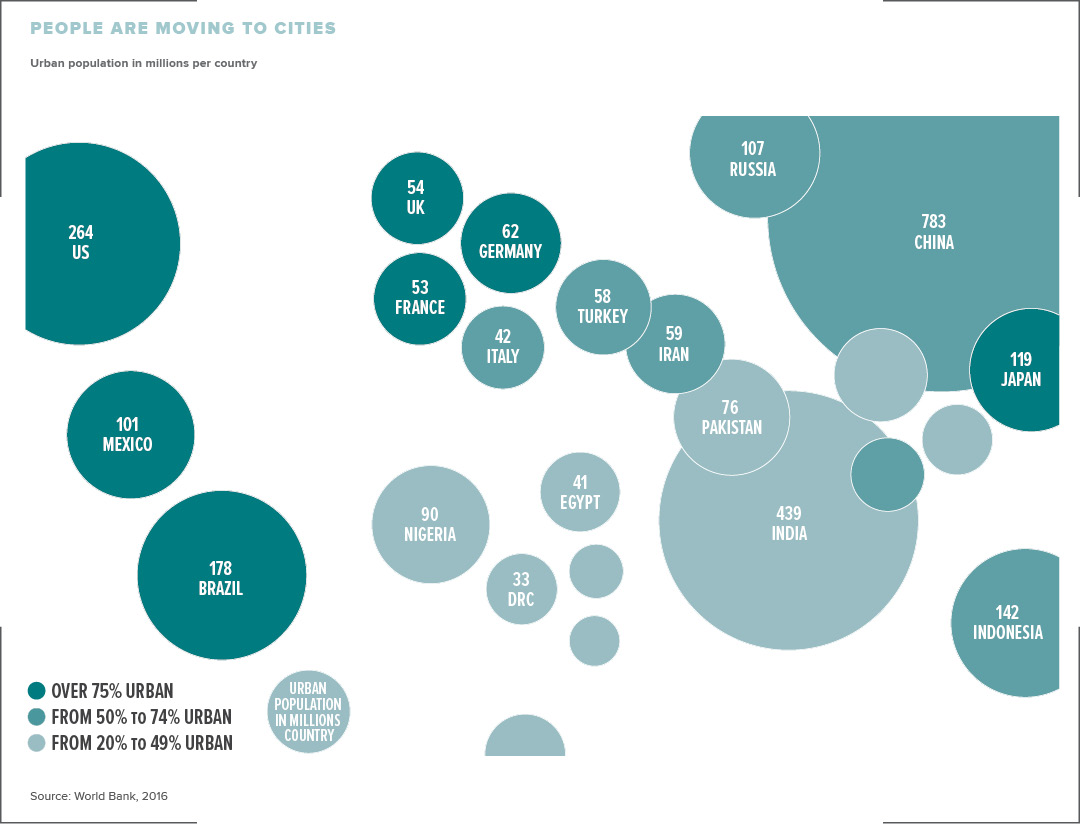
The number of people who live in urban areas is set to rise from 55% to 70% by 2050, according to the UN.
As their populations rise, cities will have to find smarter solutions to meet the growing needs of their residents and improve quality of life.
Fortunately, innovative companies are devising new ideas and technologies to change the way cities are managed, reducing pollution, using resources more efficiently, and improving healthcare and social structures.
SmartCity, the latest theme fund from Pictet Asset Management aims to take advantage of these opportunities using a highly active approach and what it calls a smart purity filter. This calculates the percentage of revenues generated in urban areas to pinpoint the companies most likely to benefit from urbanisation.
Ivo Weinöhrl, senior investment manager, said: ‘We have over 20 years’ experience in thematic investing and believe that the thematic approach is a strategy for the future. We first identified its potential during the 1990s, when we were one of the first asset managers to launch a biotechnology product.
‘This was soon followed by our water strategy, which remains one of the few dedicated to this unique resource.
‘Since then, we have built a thematic range of 14 products including in timber, robotics and health, allowing our investors to access many enduring investment opportunities presented by megatrends.
‘Cities are making huge changes to deal with growing populations and reduce environmental impact, which also creates great opportunities for investors.’
Three main themes
Just how big is the opportunity set? By 2045, an extra two billion people will live in urban areas, which will put huge pressures on infrastructure, resources and the environment.
To address this, authorities are working ever more closely with the private sector to make cities safer, more sustainable and better connected. Overall, Pictet Asset Management believes the long-term opportunities in the smart cities investment universe could be as much as $4 trillion already, and is likely to keep growing as adoption expands.
‘To thrive, cities need to get smarter and work more closely with the private sector,’ said Weinöhrl. ‘That’s good news for the planet and for investors because it will create opportunities for many companies in urban development.
‘While the world economy is expanding by 3% a year, urbanisation-related firms could grow their revenues by more than 15% a year (Arthur D Little, “Smart cities – turning challenge into opportunity”, 2016).’
Policy increasingly supports the move to smart cities – for example, through the UN’s Sustainable Development Goals (SDGs), which call for more investments by 2030 to “make cities inclusive, safe, resilient and sustainable”. According to Citigroup, that alone will require $2.1 trillion of annual investment across infrastructure, housing, education, health, recreation and buildings.
In fact, Weinöhrl sees three broad areas emerging: building cities, running cities and living in them.

‘More people need more buildings: houses, offices, schools, and leisure centres,’ he said. ‘The challenge is to design, plan, construct and finance these buildings in an efficient and sustainable fashion.
‘China and India alone require up to 2.8 billion square metres of new residential and commercial space a year, according to McKinsey.’
What people want from buildings will also evolve as technology and demographics change. For example, the rise of the ‘Internet of things’ – with the number of connected devices forecast to reach 25 billion by 2020 (Gartner, February 2017) – will fuel demand for high powered internet.
Equally, as the world population ages and urban density rises, demand for lifts and other accessible features will increase – the elevator market is forecast to grow to $125 billion by 2021 from $89 billion in 2015, according to Statista.
To run efficiently, urban areas need better transport; water; energy and waste management; logistics facilities; and public services. Combatting poor air quality is also a priority. Businesses that provide these things in a way that helps cities run smoothly and sustainably should do well.
Of the $81 billion that will be spent on smart city technology this year, nearly a quarter will go into fixed visual surveillance, smart outdoor lighting and advanced public transit, such as high-speed trains and driverless cars, according to the International Data Corporation.
Consultancy McKinsey forecasts revenues in the automotive sector could nearly double to $6.7 trillion thanks to shared mobility (car-sharing, e-hailing) and data connectivity services (including apps and car software upgrades).
Changing consumer tastes are also calling for new types of infrastructure, such as last-mile distribution centres, backed by out-of-town warehouses.
80% of the total investment required for smart cities is expected to come from the private sector
Deloitte, 2017
At their smartest, cities will be good for the planet and the economy. The Global Commission on the Economy and Climate recently found investing in lower-emission public transport, using more renewable energy and increasing efficiency in commercial buildings and waste management in cities could cut energy costs by about $17 trillion worldwide by 2050. It could also cut commuting times and improve general liveability. Los Angeles, for example, has already cut its energy use by 63%, saving $10 million on electricity bills and maintenance fees per year, by installing LED units, according to The Climate Group.
Flexible offices, such as those offered by WeWork, The Office Group and IWG, are another strong growth industry. Globally, the number of people using co-working spaces is forecast to grow by 1.74 million to 5.1 million by 2022, according to the Global Co-working Unconference Conference.
Demographic developments are also shaping the demands of city dwellers. For example, a growing number are single, creating appetite for a wider variety of housing such as smaller apartments and shared flats.
A market for self-storage facilities, bicycle parking and various sharing economy initiatives is also emerging.
‘We are very long term and we try to identify companies that are below the radar of many other investors’
Active share
Weinöhrl said all these factors create a sizeable investment opportunity for a high-conviction manager. The SmartCity fund has an active share of approximately 94% to the MSCI World, meaning the portfolio looks very different to the index, he said. That is also likely to add diversification to portfolios.
‘Our portfolio tends to have a higher weighting to mid-caps and emerging markets compared to more mainstream global equity portfolios,’ he said. ‘The design of the thematic strategies incorporates a broader view of alpha, one that goes beyond simply beating an index.
‘Thematic investing uses a holistic approach, starting with the selection of an appropriate investment universe.
‘We are very long term and we try to identify companies that are below the radar of many other investors due to investment constraints in areas such as region, sector, market cap or time horizon.’
Weinöhrl added the fund has a unique mix of sectors and style characteristics, making it attractive for investors who are willing and able to get away from the herd and take a longer-term view.
‘Pictet-SmartCity aims to deliver long-term capital growth by investing in companies that are helping develop the sustainable, better-connected cities of tomorrow,’ he said. ‘These firms will be active mainly, but not exclusively, in mobility and transportation; infrastructure; real estate; and sustainable resources management. The fund will also focus on technologies and services that support the development of smart and sustainable cities.’
Weinöhrl highlighted research from McKinsey estimating that adopting a smart-city concept can improve key quality of life indicators, such as health, safety and environmental quality by 10% to 30%.
‘Embracing that – and continuing to innovate – is crucial for the future of our increasingly urban world,’ he said.
SECTOR
OVERVIEW:
Thematic

Thomas Potter-Landua
Research Analyst, Citywire
SECTOR OVERVIEW:
thematic
Thomas Potter-Landua
Research Analyst, Citywire
The Pictet SmartCity fund was launched last year with the SmartCity strategy approximately six months old. The fund was repositioned and renamed SmartCity in 2018 replacing a high dividend yield fund established in 2010.
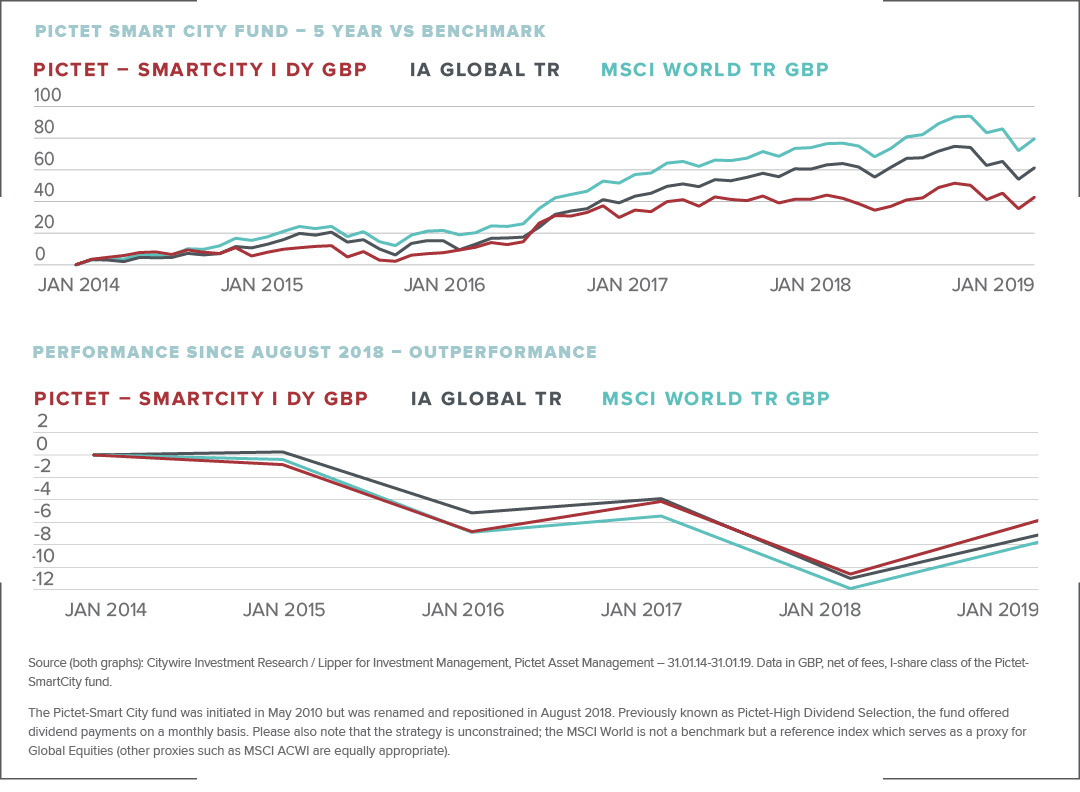
The recent rebranding last year was part of the changes at Pictet Asset Management, designed to strengthen specific teams and promote in-house talent. Some of those changes seem to be working: since senior investment manager Ivo Weinöhrl took over the helm last year, the fund has outperformed the IA Global and MSCI World indices.
While it’s too early to tell whether this good run can continue, the strong performance of recent stock additions by Weinöhrl, such as Visa and MasterCard (both digital infrastructure firms supporting cities) as well as Bright Horizons Family Solutions (an intelligent workplace company), is encouraging.
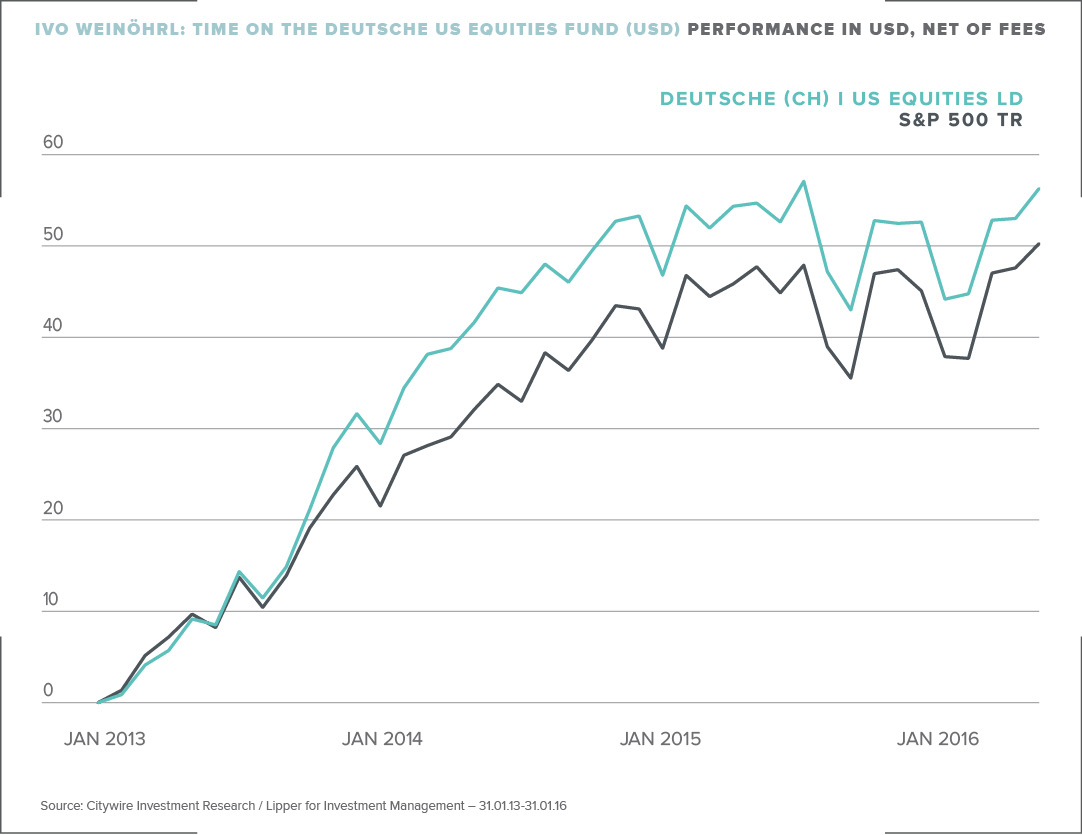
Ivo Weinöhrl hasn’t managed any funds tracked by Citywire since 2016, so it’s impossible to gauge his recent managerial skill. However, his performance between 2013 and mid-2016 was very strong, with his Deutsche US Equities Fund comfortably outperforming the S&P 500 index – an index that’s notoriously difficult to beat given its high analyst coverage and efficiency.
After outperforming for 36 months, he became eligible for a Citywire rating in July 2015, and debuted as an AA-rated manager owing to his stellar performance in 2013 and 2014. For 8 of the following 11 months he was AA-rated, and he never slipped below an A-rating, before joining Pictet Asset Management in July 2016.
Weinöhrl consistently ranked in the top 10% of all managers tracked and ranked by Citywire between 2015 and 2016.
Prior to managing the SmartCity fund Weinöhrl was a Senior Investment Manager within the Pictet utilities/high dividend yield team.
Q&A with ivo Weinöhrl
fund manager hot-seat
Senior Investment Manager,
Pictet Asset Management
Q&A with ivo Weinöhrl
Fund manager hot-seat
Senior Investment Manager,
Pictet Asset Management
What constitutes a ‘smart city’?
In a nutshell, a smart city improves the quality of life of its citizens and ensures the ongoing urbanisation trend is sustainable. It does so by having the capacity to collect, aggregate and analyse the data generated by our increasingly technological and connected world, sometimes referred to as the internet of things, and then applying those insights to our day-to-day lives to solve the challenges human activity generates. The classic example would be a smart parking meter.
It will be an important theme for all of us in the coming decades, as governments around the world are racing to use technology in almost all aspects of a city’s operations. This includes areas like water, power, waste management, transport, e-government, IT connectivity and even citizen participation. So far, cities like Singapore, which launched a smart nation programme in 2014, Dubai and Barcelona are leading the way.
The benefits are huge: it allows local governments to track energy consumption, pollution, crowding and crime in order to build and better manage different suburbs or towns. That’s going to be huge going forward, as cities try to become more efficient and environmentally friendly; smart technology can help cities sustain growth and improve citizen welfare.
And for the layman, meanwhile, it can make things a lot easier when it comes to finding destinations, tracking packages, taxis or transport, paying bills, and hopefully saving money.
Why is this theme relevant to investors?
In order to manage rapidly growing populations, cities around the world will have to adapt to protect human wellbeing and reduce our environmental impact. For this to happen, we will have to make them more intelligent.
These challenges will generate an abundance of investment opportunities across a broad range of sectors, especially as cities around the world embrace the idea of smart cities and leveraging solutions such as big data and the internet of things in order to solve these pressing issues.
Companies active in mobility and transportation, infrastructure, real estate, sustainable resource management or services catering to urban lifestyles, all have a role to play in supporting this transformation. And so those are the sorts of companies we’re looking to add to the portfolio.
Why are ‘smart cities’ the future? Isn’t extensive (and expensive) infrastructure already in place to support cities around the world?
Two words: demographic development. The global population is growing at a rapid pace, and at the same time people are moving to cities to enhance their opportunities or due to changing lifestyles. Today over 80% of people in America live in cities for example, but that’s expected to grow.
Urbanisation is also expected to become far more prevalent all over the world. The momentum is especially powerful in the developing world where we will see urbanisation rates converge towards those in the developed world over the next 30 years. Traditional infrastructure will simply become insufficient to support this influx of people. Citigroup estimates investments of $2.1 trillion annually will be needed by 2030 to transition 4 billion human beings to sustainable cities and communities. That is a very enticing investment opportunity for thematic investors such as ourselves.

Where will the funding come from? Aren’t a lot of governments around the world heavily indebted?
That’s true. But at the same time, they face significant pressure to act on several fronts. On the one hand, the Sustainable Development Goals set out by the UN in 2015 aim to tackle some of our biggest challenges by 2030, and Goal #11 deals specifically with ensuring cities are inclusive, safe, resilient and sustainable.
This will be driving the global policy agenda, and investments, over the coming decade. At the same time people around the world are increasingly demanding better quality of life for themselves and their children – from the air they breathe to access to more efficient healthcare.
But given the lack of excess cash on public balance sheets, a large portion of “smart city” investments will have to come from public-private partnerships or directly from the private sector. And this is already happening. We have a great example in New York City, where the transformation of disused phone boxes into a city-wide network of superfast, free Wi-Fi kiosks, was funded by selling advertisement on screens placed above the kiosks.
‘People around the world are increasingly demanding better quality of life for themselves and their children – from the air they breathe to access to more efficient healthcare’
How do you translate such a theme into investments?
We see three promising segments of investments for the theme:
- BUILDING THE CITY: companies involved in the design, planning and construction of tomorrow’s cities, with a focus on efficiency and sustainability.
- RUNNING THE CITY companies that provide traditional, but essential infrastructure like water supply and waste management, digital infrastructure like 5G communication or payment networks, and new, more efficient mobility solutions.
- LIVING THE CITY: companies that offer services and solutions for 21st century urban living, including housing, working and recreational activities.
All three of these categories harbour innovative business models whose growth and success will be powered by population expansion and the overarching goal of improving people’s quality of life.
This marketing material is issued by Pictet Asset Management (Europe) S.A.. It is neither directed to, nor intended for distribution or use by, any person or entity who is a citizen or resident of, or domiciled or located in, any locality, state, country or jurisdiction where such distribution, publication, availability or use would be contrary to law or regulation. Only the latest version of the fund’s prospectus, KIID (Key Investor Information Document), regulations, annual and semi-annual reports may be relied upon as the basis for investment decisions. These documents are available on assetmanagement.pictet or at Pictet Asset Management (Europe) S.A., 15, avenue J. F. Kennedy, L-1855 Luxembourg.The information and data presented in this document are not to be considered as an offer or solicitation to buy, sell or subscribe to any securities or financial instruments. Information, opinions and estimates contained in this document reflect a judgment at the original date of publication and are subject to change without notice. Pictet Asset Management (Europe) S.A. has not taken any steps to ensure that the securities referred to in this document are suitable for any particular investor and this document is not to be relied upon in substitution for the exercise of independent judgment. Tax treatment depends on the individual circumstances of each investor and may be subject to change in the future.
Before making any investment decision, investors are recommended to ascertain if this investment is suitable for them in light of their financial knowledge and experience, investment goals and financial situation, or to obtain specific advice from an industry professional. The value and income of any of the securities or financial instruments mentioned in this document may fall as well as rise and, as a consequence, investors may receive back less than originally invested. Risk factors are listed in the fund’s prospectus and are not intended to be reproduced in full in this document. Past performance is not a guarantee or a reliable indicator of future performance. Performance data does not include the commissions and fees charged at the time of subscribing for or redeeming shares. This marketing material is not intended to be a substitute for the fund’s full documentation or any information which investors should obtain from their financial intermediaries acting in relation to their investment in the fund or funds mentioned in this document. Any index data referenced herein remains the property of the Data Vendor. Data Vendor Disclaimers are available on assetmanagement.pictet in the “Resources” section of the footer. This document is a marketing communication issued by Pictet Asset Management and is not in scope for any MiFID II/MiFIR requirements specifically related to investment research. This material does not contain sufficient information to support an investment decision and it should not be relied upon by you in evaluating the merits of investing in any products or services offered or distributed by Pictet Asset Management.
CITYWIRE INVESTMENT WARNING
Any opinions expressed by Citywire or its staff do not constitute a personal recommendation to you to buy, sell, underwrite or subscribe for any particular investment and should not be relied upon when making (or refraining from making) any investment decisions. In particular, the information and opinions provided by Citywire do not take into account your personal circumstances, objectives and attitude towards risk.
Citywire uses information obtained primarily from sources believed to be reliable (such as company reports and financial reporting services) however Citywire cannot guarantee the accuracy of information provided, or that the information will be up-to-date or free from errors. Investors and prospective investors should not rely on any information or data provided by Citywire but should satisfy themselves of the accuracy and timeliness of any information or data before engaging in any investment activity. If in doubt about a particular investment decision an investor should consult a regulated investment advisor who specialises in that particular sector.
Information includes but is not restricted to any video, article or guide content created or provided by Citywire.
For your information we would like to draw your attention to the following general investment warnings:
The price of shares and investments and the income associated with them can go down as well as up, and investors may not get back the amount they invested. The spread between the bid and offer prices of securities can be significant in volatile market conditions, especially for smaller companies. Realisation of small investments may be relatively costly. Some investments are not suitable for unsophisticated or non-professional investors. Appropriate independent advice should be obtained before making any such decision to buy, sell, underwrite or subscribe for any investment and should take into account your circumstances and attitude to risk.
Past performance is not necessarily a guide to future performance. Citywire Financial Publishers Ltd. is authorised and regulated by the Financial Conduct Authority (no: 222178).
TERMS OF SERVICE
Citywire Source is owned and operated by Citywire Financial Publishers Ltd (“Citywire”). Citywire is a company registered in England and Wales (company number 3828440), with registered office at 1st Floor, 87 Vauxhall Walk, London, SE11 5HJ and is authorised and regulated by the Financial Conduct Authority (no: 222178) to provide investment advice and is bound by its rules.
1. Intellectual Property Rights 1.1 We are the owner or licensee of all copyright, trademarks and other intellectual property rights in and to these works (including all information, data and graphics in them) (collectively referred to as “Content”). You acknowledge and agree that all copyright, trademarks and other intellectual property rights in this Content shall remain at all times vested in Citywire and /or its licensors. 1.2 This Content is protected by copyright laws and treaties around the world. All such rights are reserved. Images and videos used on our websites are © iStockphoto, Alamy, Thinkstock, Topfoto, Getty Images or Rex Features (among others). For credit information relating to specific images where not stated, please contact picturedesk@citywire.co.uk. 1.3 You must not copy, reproduce, modify, create derivative works from, transmit, distribute, publish, summarise, adapt, paraphrase or otherwise publicly display any Content without the specific written consent of a director of Citywire. This includes, but is not limited to, the use of Citywire content for any form of news aggregation service or for inclusion in services which summarise articles, the copying of any Fund manager data (career histories, profile, ratings, rankings etc) either manually or by automated means (“scraping”). Under no circumstance is Citywire content to be used in any commercial service.
2. Non-reliance 2.1 You agree that you are responsible for your own investment decisions and that you are responsible for assessing the suitability and accuracy of all information and for obtaining your own advice thereon. You recognise that any information given in this Content is not related to your particular circumstances. Circumstances vary and you should seek your own advice on the suitability to them of any investment or investment technique that may be mentioned. 2.2 The Fund manager performance analyses and ratings provided in this Content are the opinions of Citywire as at the date they are expressed and are not recommendations to purchase, hold or sell any investment or to make any investment decisions. Citywire’s opinions and analyses do not address the suitability of any investment for any specific purposes or requirements and should not be relied upon as the basis for any investment decision. 2.3 Persons who do not have professional experience in participating in unregulated collective investment schemes should not rely on material relating to such schemes. 2.4 Past performance of investments is not necessarily a guide to future performance. Prices of investments may fall as well as rise.
2.5 Persons associated with or employed by Citywire may hold positions or take positions in investments referred to in this publication. 2.6 Citywire Financial Publishers Ltd operate a policy of independence in relation to matters where the operators may have a material interest or conflict of interest.
3. Limited Warranty 3.1 Neither Citywire nor its employees assume any responsibility or liability for the accuracy or completeness of the information contained on our site. 3.2 You acknowledge and agree that any information that you receive through use of the site is provided “as is” and “as available” basis without representation or endorsement of any kind and is obtained at your own risk. 3.3 To the maximum extent permitted by law, Citywire excludes all representations, warranties, conditions or other terms, whether express or implied (by statute, common law, collaterally or otherwise) in relation to the site or otherwise in relation to any Content or Feed, including without limitation as to satisfactory quality, fitness for particular purpose, non-infringement, compatibility, accuracy, or completeness. 3.4 Notwithstanding any other provision in these Terms, nothing herein shall limit your rights as a consumer under English law.
4. Limitation of Liability To the maximum extent permitted by law, Citywire will not be liable in contract, tort (including negligence) or otherwise for any liability, damage or loss (whether direct, indirect, consequential, special or otherwise) incurred or suffered by you or any third party in connection with this Content, or in connection with the use, or results of the use of Content. Citywire does not limit liability for fraudulent misrepresentation or for death or personal injury arising from Citywire’s negligence.
5. Jurisdiction These Terms are governed by and shall be construed in accordance with the laws of England and the English courts shall have exclusive jurisdiction in the event of any dispute in connection with this Content or these Terms.
